
Investigation launched into Bulgarian property purchases in Northern Greece
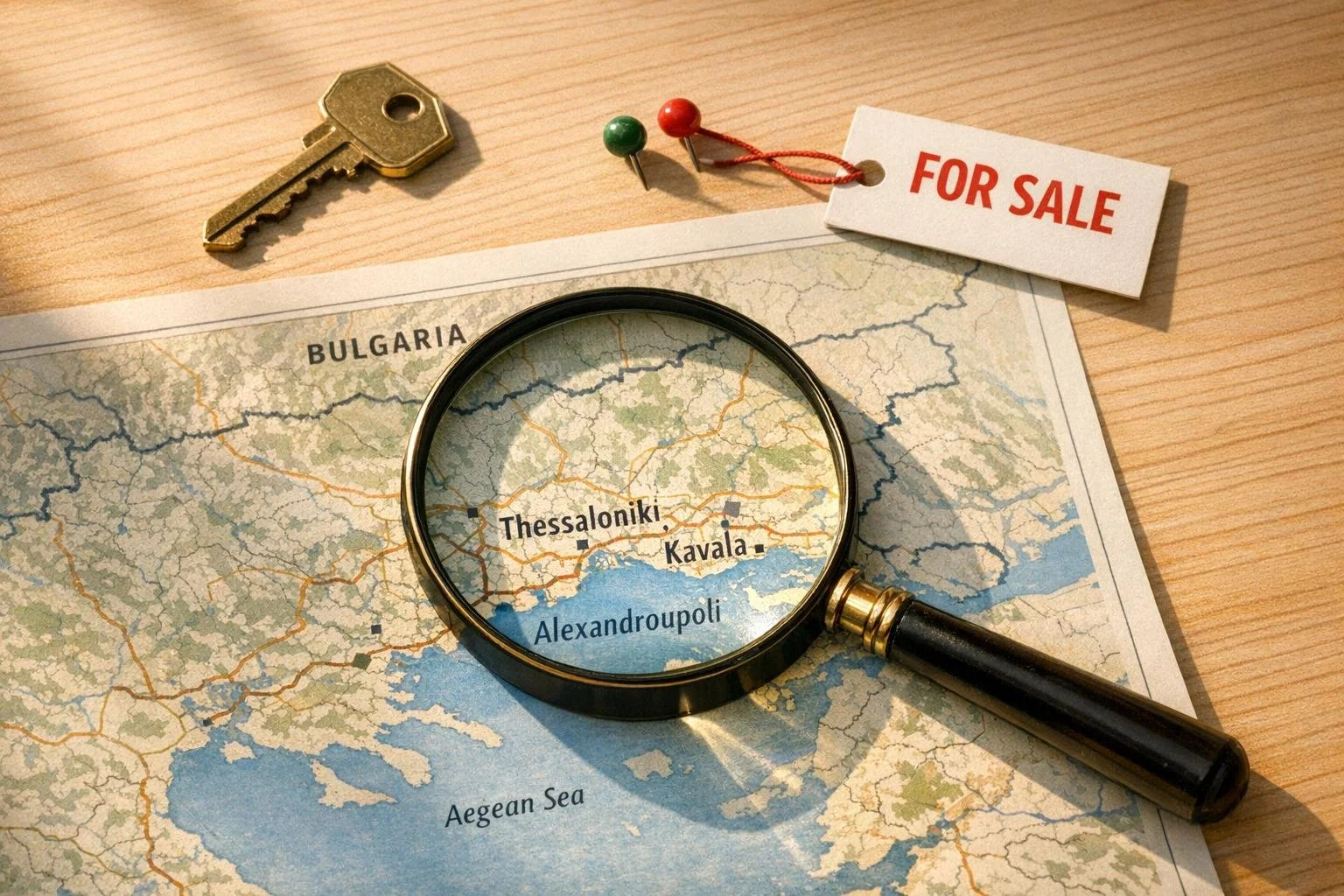
Greek national security agencies have initiated a formal investigation into the rising trend of land and property acquisitions in Northern Greece by Bulgarian and Turkish citizens. This move, reported by Bulgarian National Radio, comes amid mounting concerns over the implications of these transactions.
Sharp rise in foreign buyers sparks scrutiny
The region has witnessed a notable surge in property acquisitions by foreign nationals, with local media highlighting the increasing presence of Bulgarian buyers. Many are reportedly purchasing abandoned homes in depopulated villages, often at very low prices. Following these purchases, the properties are renovated, with buyers planning to relocate and settle permanently in the area.
Beyond residential properties, Bulgarian investors are also targeting commercial real estate. Reports suggest that restaurants and entertainment venues catering to Bulgarian and Turkish clientele have changed ownership through these transactions.
sbb-itb-99d029f
Lawmakers push for changes to property laws
The scale of these acquisitions has prompted Greek lawmakers to take notice. Members of the ruling party have formally requested legislative amendments that would tighten regulations governing property ownership by foreign nationals.
Concerns over Turkish investments
Meanwhile, Turkish citizens have reportedly found ways to circumvent restrictions that typically apply to non-EU nationals. According to the findings, Turkish investors are utilizing Bulgarian-registered companies, in which they hold shares, to acquire properties. Lawyers and notaries in Alexandroupolis have noted that Turkish buyers have committed significant financial resources to acquire high-value real estate, including hotels and businesses.
Suspicions over investment motives and sources of funds
While these transactions may appear to comply with European Union regulations on the surface, Greek authorities remain cautious. Officials are particularly wary of the expanding Turkish economic activity in the Evros region, suggesting it "could form part of a longer-term strategy to exert influence."
Additionally, investigators are delving into the origins of the investment funds involved in these purchases. Authorities harbor suspicions that some of the capital could be linked to the grey economy, including illicit activities such as arms and drug trafficking.
Conclusion
With property transactions by Bulgarian and Turkish nationals under intense scrutiny, Greek authorities face mounting pressure to address the potential social, economic, and security implications. The ongoing investigation aims to shed light on the motivations and legality of these acquisitions, as well as their broader impact on the region.