
Industry Insights
Latest Articles
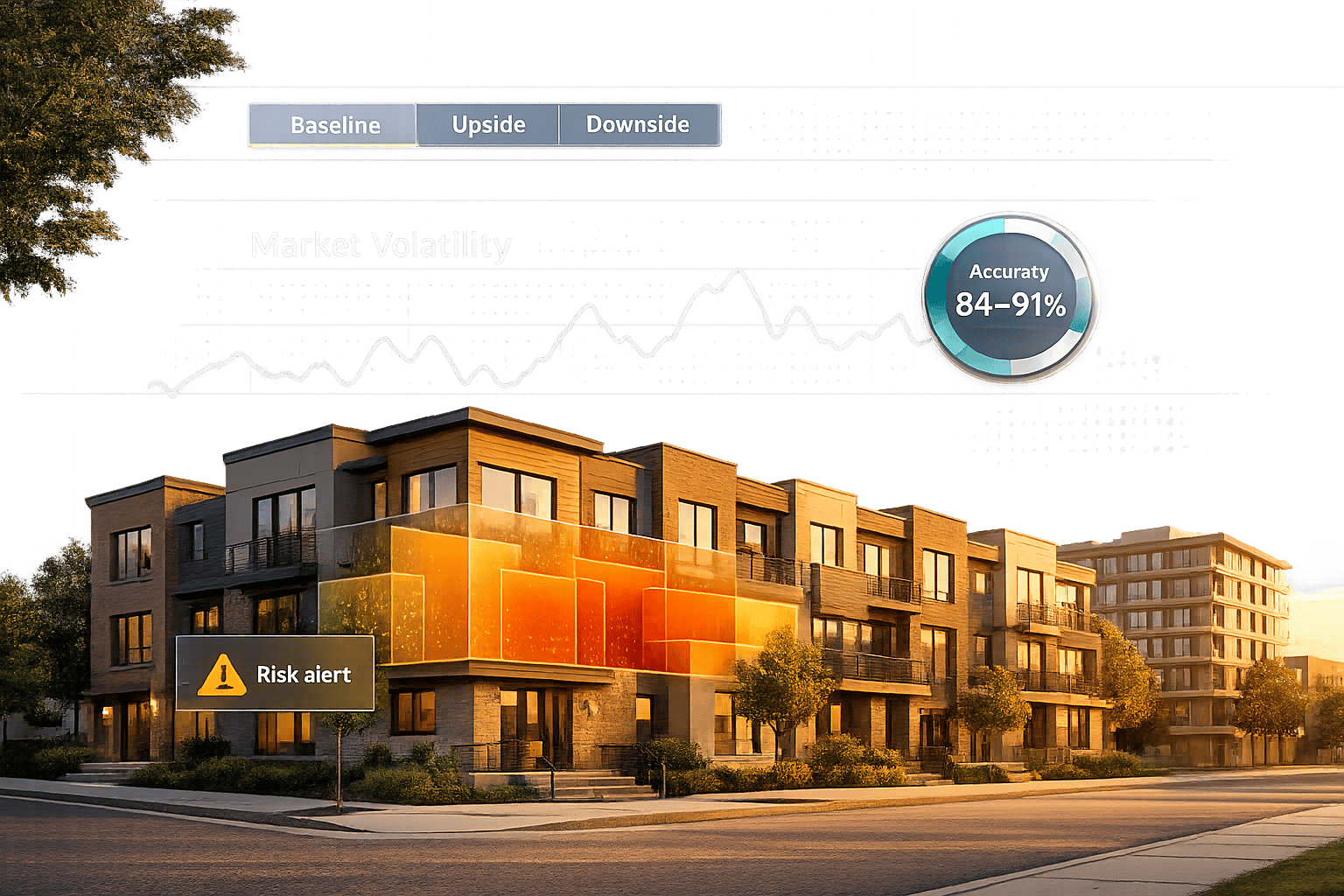
How AI Predicts Real Estate Market Volatility
AI analyzes 500+ variables to forecast real estate market shifts in hours, with 84–91% short-term accuracy, scenario simulations, and risk alerts.

How Opportunity Zones Impact Real Estate Markets
Permanent Opportunity Zone rules, tax incentives, and analytics are reshaping housing supply, property values, and investor strategies across underserved areas.

Negotiation Strategies for Colocation Agreements
Tactical guide for negotiating colocation contracts: assess needs, compare providers, control pricing, secure SLAs, and reserve expansion and legal protections.

5 UX Tips for Error Handling in Real Estate Platforms
UX tips for handling errors on real estate platforms: clear messages, inline validation, recovery flows, smart logging, and graceful degradation.

Best Practices for Using Investor Portals in Real Estate
Centralize documents, automate workflows, and secure investor data to improve reporting, onboarding, and engagement for real estate firms.

Checklist for Correlating Economic Data with CRE Trends
Step-by-step checklist for matching economic indicators to commercial real estate performance, with data sources, modeling tips, and visualization guidance.

How Ad Integration Enhances Real Estate Platforms
Integrate social ads with CRMs to auto-capture leads, streamline multi-channel campaigns, and measure true ROI across major platforms.
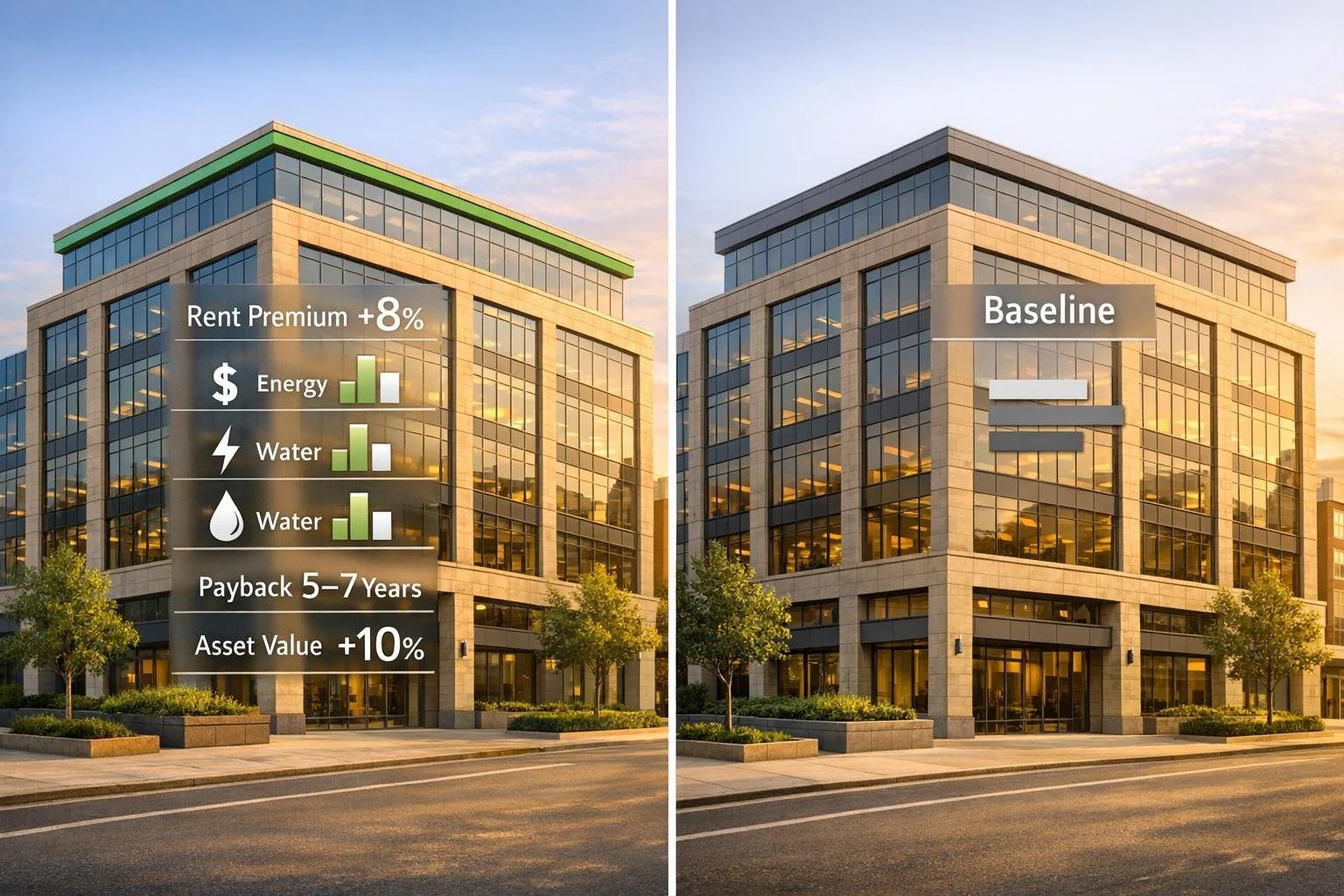
Green Certifications vs. Non-Certified Spaces: ROI Comparison
Compare ROI for green-certified vs non-certified buildings: rent premiums, energy and water savings, payback periods, and asset value gains.

Predictive Analytics for CRE Insurance Risk
Predictive analytics, AI, geospatial data and IoT enable building-level risk scoring, faster underwriting, and stronger portfolio protection in CRE insurance.
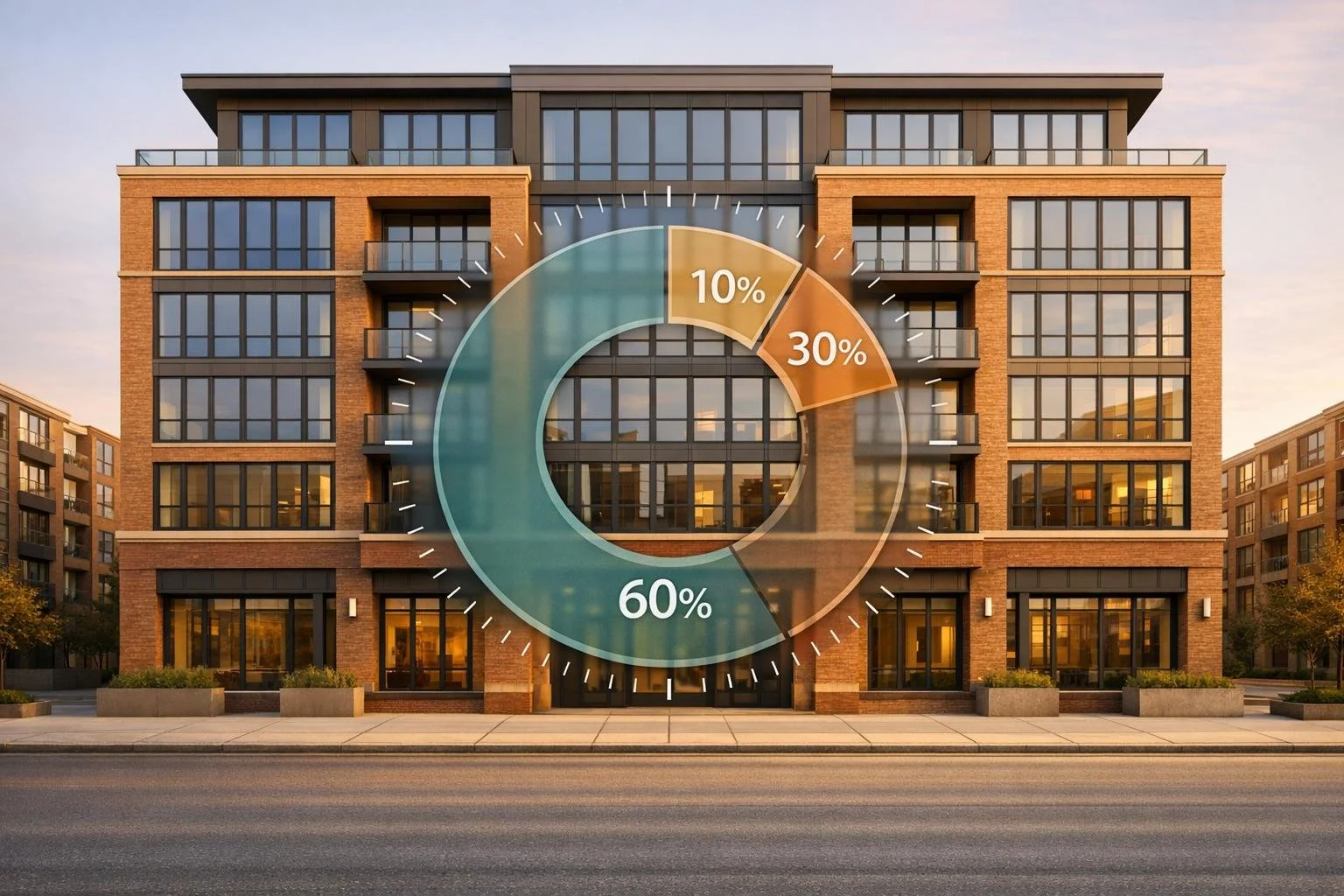
Multifamily Benchmarking: Expense Ratios Explained
Learn how to calculate and benchmark multifamily operating expense ratios (OER), typical ranges, included/excluded costs, and how tech speeds analysis.

How Real-Time Updates Improve Investor Relations
Live dashboards and automated alerts speed reporting, boost transparency, and increase investor engagement while reducing errors and staff time.

Monte Carlo Simulation for CRE Investments
Model rent growth, vacancy, exit caps and discount-rate uncertainty with Monte Carlo simulations to generate NPV/IRR distributions and clearer CRE risk insights.

Energy Star Certification Trends in Commercial Real Estate
Energy Star certification lowers energy costs and emissions, boosts rents and sale prices, and becomes essential for compliance under 2026 NextGen and BPS rules.

How IoT Sensors Track Market Trends in Real Estate
IoT sensors turn buildings into predictive assets—tracking occupancy, energy, and air quality to cut costs and forecast market demand.

How Predictive Analytics Boosts Rental Yields
Use predictive analytics to optimize rent pricing, reduce vacancies, and increase NOI with dynamic pricing, quality data, and ML-driven forecasts.

Behavioral Data for Emerging Market Opportunities
Use search trends, foot traffic, and spending data to spot emerging real estate markets faster and make smarter, data-driven investment decisions.

Emerging Industries Driving Healthcare Facility Demand
How telehealth, ASCs, biotech and wellness are reshaping healthcare real estate — facility needs, locations, and investment implications.
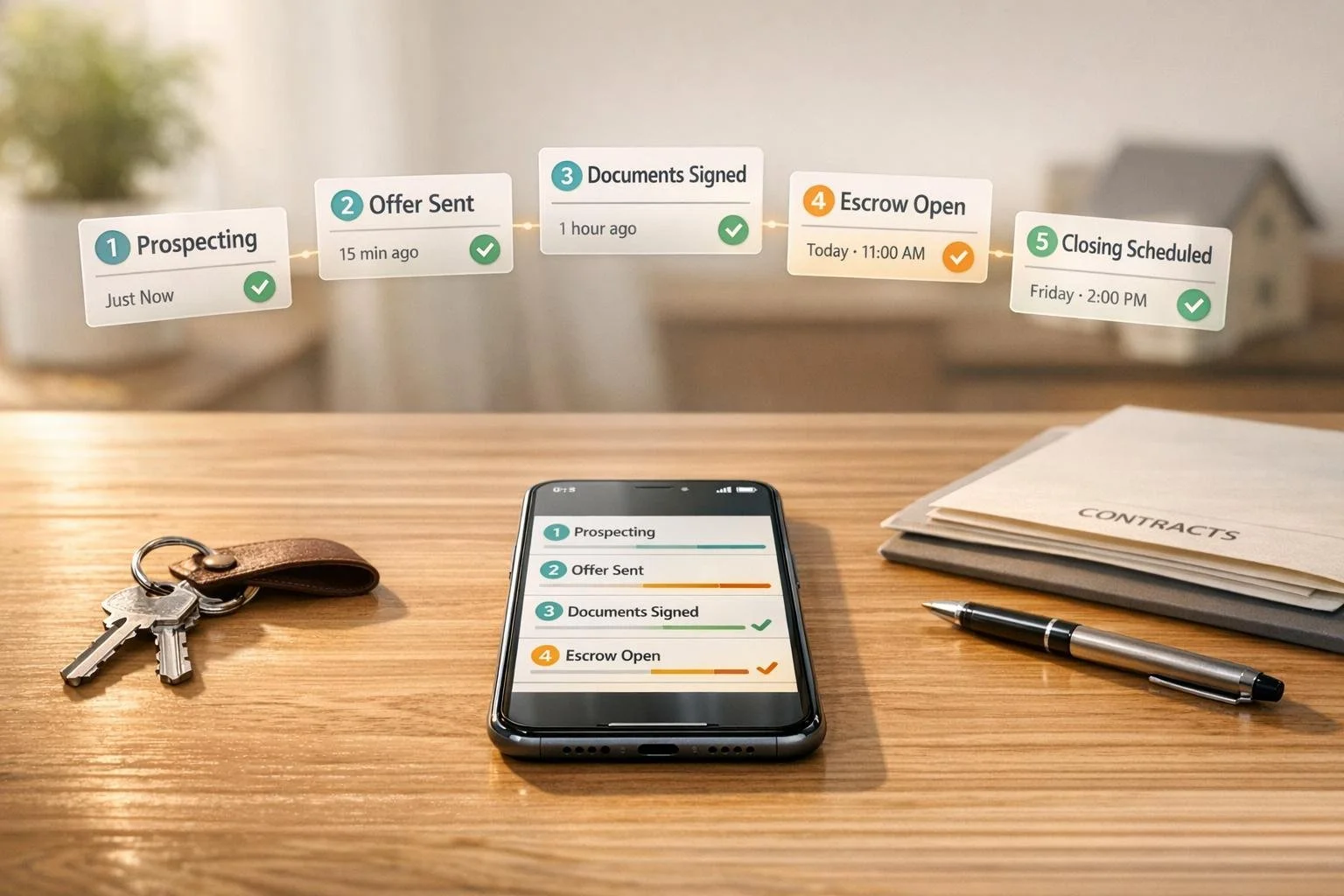
How Notification Workflows Improve Deal Tracking
Automated notification workflows reduce missed deadlines, improve communication, and provide real-time visibility to close real estate deals faster.

How AI Powers Personalization in Real Estate Platforms
AI personalizes property searches, forecasts markets, automates underwriting and marketing, and boosts agent efficiency with geospatial insights.

How Geospatial Data Enhances Property Insights
Leverage geospatial analytics to assess demographics, environmental risks, and accessibility for smarter, faster property investment decisions.