
Saudi Arabia to allow property ownership for foreigners by 2026
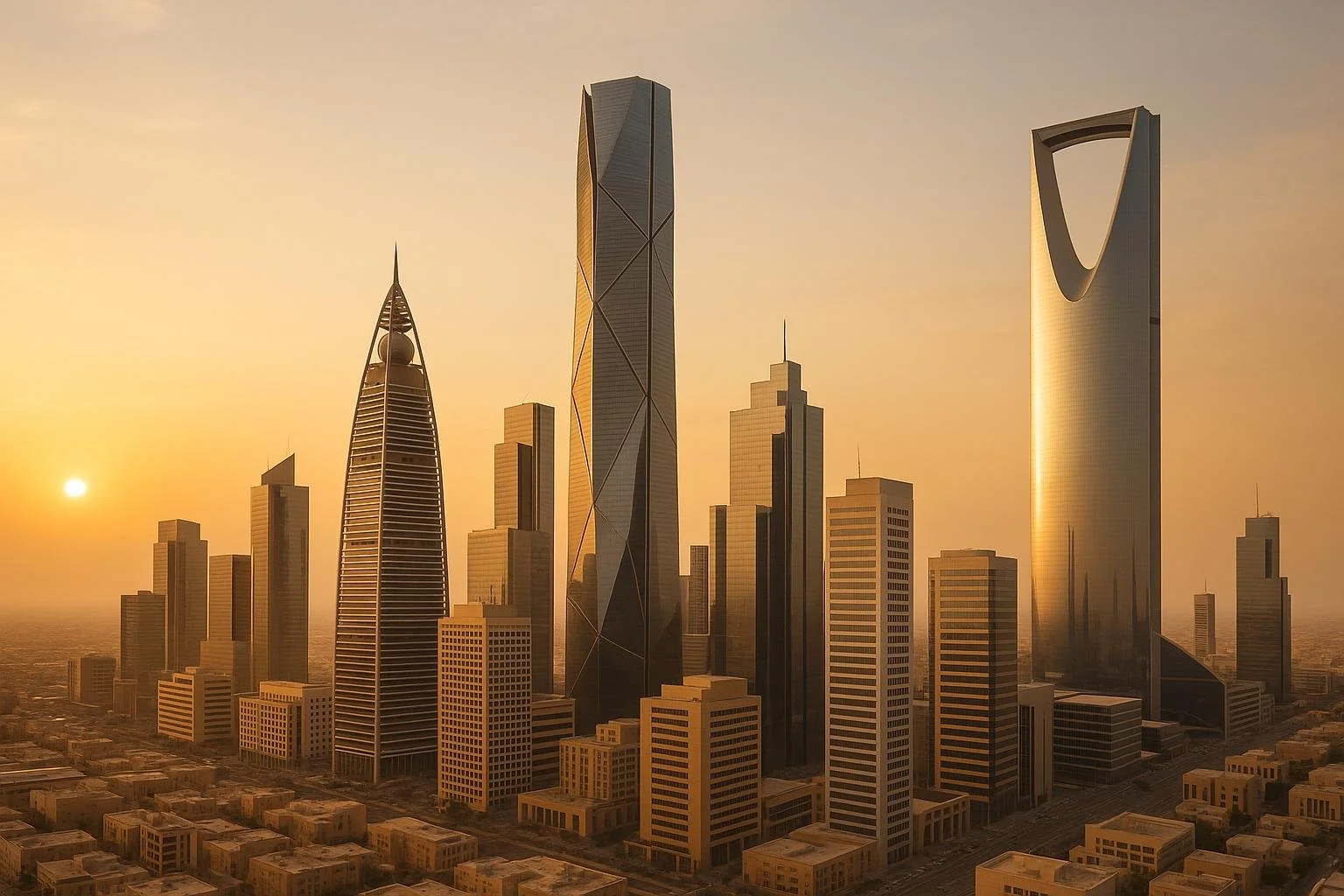
Foreign nationals will soon have the opportunity to own property in Saudi Arabia under a new legal framework set to be implemented in January 2026. This marks a significant shift in the Kingdom’s real estate policies, opening the doors for international investment while maintaining regulatory oversight. The law, however, establishes specific limitations on where foreigners can own residential properties.
Residential ownership with geographic restrictions
According to Saudi Gazette, the Minister of Municipalities and Housing, Majed Al-Hogail, announced that the updated system will permit foreign ownership of residential property across most areas of Saudi Arabia. However, four major cities are excluded from this provision: Makkah, Madinah, Jeddah, and Riyadh. While these cities are currently off-limits for general residential ownership, specific zones within them may later be designated for foreign ownership, subject to approval by authorities.
For non-Saudi residents who are living in the Kingdom, the law allows ownership of one residential unit outside of these designated zones. In Makkah and Madinah, residential ownership will remain restricted to Muslims only. Non-residents, on the other hand, will only be able to acquire residential properties in areas explicitly approved by the government.
sbb-itb-99d029f
Broad access to commercial, industrial, and agricultural properties
Unlike the limitations placed on residential ownership, the new framework takes a more inclusive approach to business-related real estate. Foreign nationals will be allowed to own commercial, industrial, and agricultural properties in all cities across Saudi Arabia without exception. This move is expected to encourage foreign investment and drive growth in key economic sectors, including industry and agriculture.
Regulatory framework for foreign ownership
The legal framework underpinning this initiative is designed to ensure transparency and control in foreign property ownership. Non-Saudis will be allowed to own real estate or acquire related rights only in areas designated by the Council of Ministers. These designations will be based on recommendations from the Real Estate General Authority and approved by the Council of Economic and Development Affairs.
The law also stipulates that authorities will determine the types of real estate rights permitted, maximum ownership ratios, and other relevant conditions. Ownership rights granted under this framework will not confer additional privileges beyond those defined by law and will not affect existing agreements under programs like the Premium Residency Program or with Gulf Cooperation Council countries.
Registration, fees, and penalties
To ensure compliance, all foreign individuals and entities must register their property ownership with the relevant authorities. Ownership will only be legally recognized once it is recorded in the Real Estate Registry. A transaction fee of up to 5% of the property’s value will be applied to foreign ownership, with additional details to be outlined in the executive regulations.
Violations of the law may result in fines or warnings. Providing false information could lead to penalties of up to SR10 million and, in certain cases, a court-ordered sale of the property.
By implementing these measures, Saudi Arabia aims to open its real estate market to foreign nationals in a controlled and transparent manner, fostering investment while maintaining clear regulatory standards. This landmark policy shift is expected to reshape the Kingdom’s real estate landscape while preserving its cultural and legal priorities.