
Industry Insights
Latest Articles

How Sales Comps Impact Property Valuation Models
Automated, real-time sales comps reduce valuation errors, speed underwriting, and feed directly into valuation models versus manual analysis.

Why Real Estate Platforms Need Audit Trail Integration
Why integrated, tamper‑proof audit trails matter for real estate platforms to ensure compliance, reduce errors, and speed audits and reporting.

How Portfolio Analytics Software Improves CRE Decisions
Centralize CRE data, run scenario models, automate reports, and gain real-time insights to improve portfolio performance and reduce errors.

GIS in Real Estate: Demand and Supply Explained
Use GIS to layer demographics, zoning, infrastructure, and market data to map demand, spot supply gaps, and guide real estate strategy.

Remote Work vs. Hybrid Work: Real Estate Impacts
How remote and hybrid work reshape office demand, vacancy, layouts, and conversions — driving suburban and flex-space growth and changing underwriting.

Urban Growth Boundaries: Impact on Commercial Real Estate
How urban growth boundaries shape commercial real estate: higher land costs, infill and transit-focused opportunities, regulatory risks, and investment strategies.

How Migration Patterns Impact TOD Planning
How shifting migration trends shape transit-oriented development, site selection, ridership, and displacement risks using Census, GTFS, and integrated data.
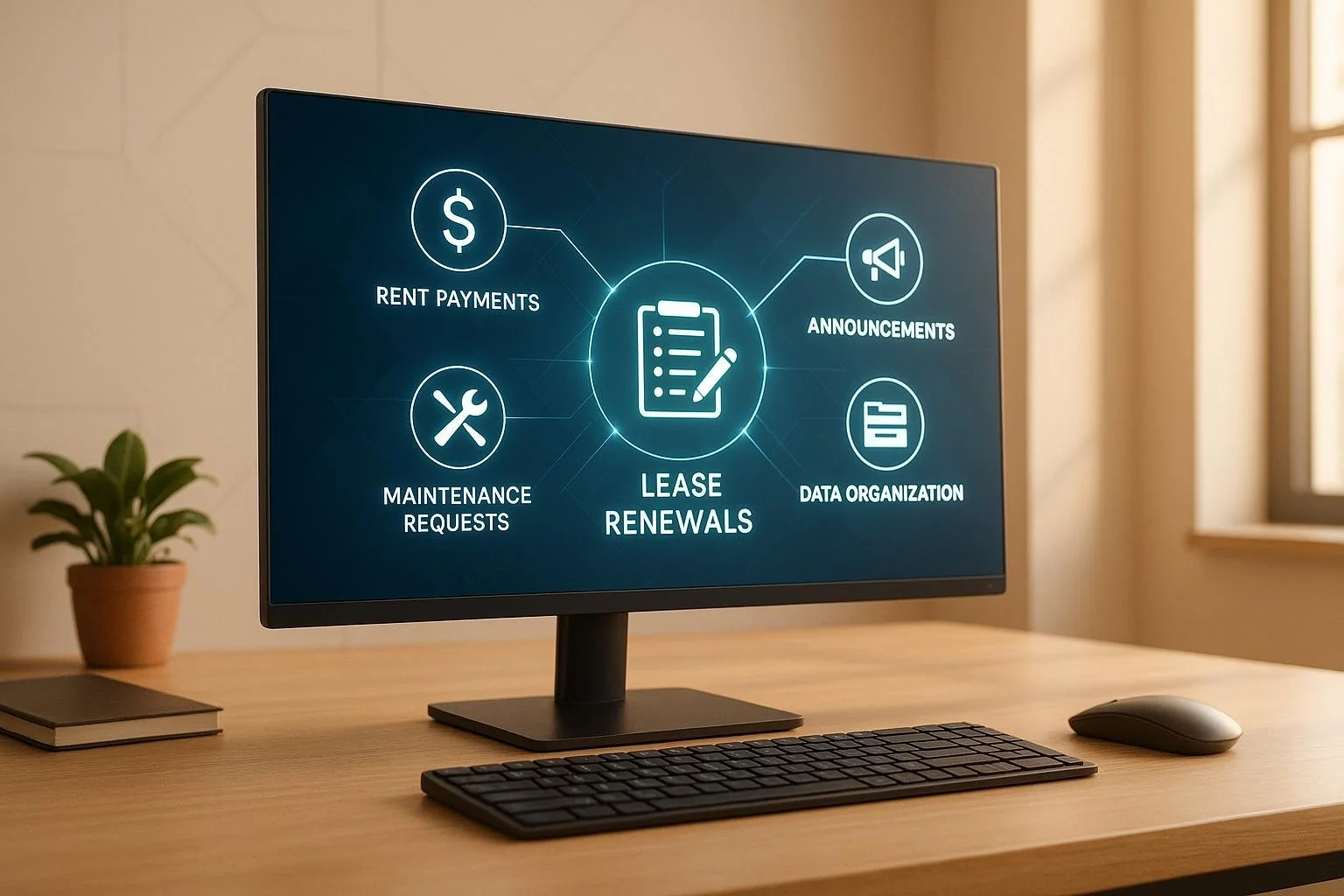
5 Common Tenant Communication Issues Solved by Automation
Automation fixes missed rent, slow maintenance, messy data, poor announcements, and late renewals to improve tenant satisfaction and property operations.

How to Benchmark Office Portfolio Performance
Practical steps to benchmark office portfolios: define scope, standardize data, build composite benchmarks, and use technology for ongoing performance insight.

Remote Work Trends: Opportunities for CRE Investors
Remote work shifts CRE demand to suburban offices, multifamily, neighborhood retail and last‑mile logistics; use migration and employment data to underwrite deals.

How to Validate Real Estate Forecasting Models
Practical methods to validate real estate forecasts: time-aware data splits, error metrics, domain checks, scenario tests, backtesting, and monitoring.

How AI Improves Real Estate Social Media Ads
How AI boosts real estate social ads with precise targeting, fast ad creation, automated A/B testing, and analytics that link campaigns to real business results.

How Inflation Impacts Multifamily Investments
How inflation reshapes multifamily investing: rising costs and lower valuations — and how rent resets, lease escalators, efficiency, and analytics can protect returns.
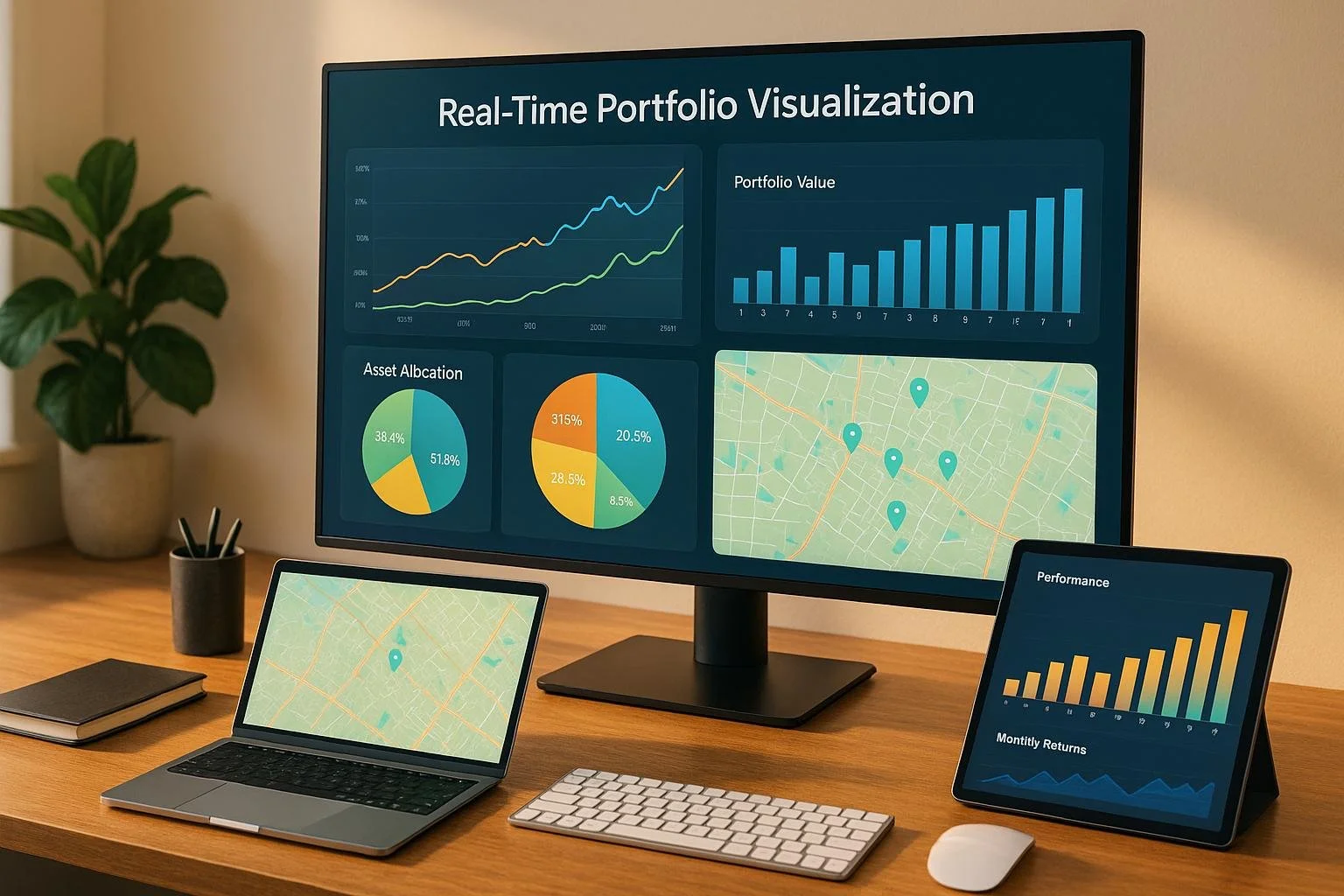
Ultimate Guide to Real-Time Portfolio Visualization
Learn how real-time portfolio visualization centralizes property data, enables scenario modeling, improves reporting, and speeds decisions for asset managers.

How Tenant Data Drives Portfolio Success
Use tenant data to cut vacancies, lower turnover, optimize rents, and boost portfolio income with centralized analytics and predictive insights.

Key Terms in Joint Venture Agreements with Hybrid Financing
Guide to drafting joint venture agreements with hybrid financing: ownership, funding stack, governance, conversion rules, exit, and reporting.

Discounted Cash Flow Analysis for CRE Valuation
DCF modeling reveals true CRE value by forecasting cash flows, terminal value, and discount rates—use sensitivity tests and modern tools to avoid valuation errors.

Forecasting Office Demand in a Remote Work Era
2025 office demand analysis: vacancy trends, hybrid work effects, net absorption scenarios, and office-to-residential conversions.

How to Balance Core, Value-Add, and Opportunistic Deals
Allocate capital across core, value‑add, and opportunistic real estate with underwriting, performance metrics, and rebalancing guidance for different risk profiles.

AI Mapping Trends in Commercial Real Estate
AI mapping is revolutionizing commercial real estate with faster analysis, improved accuracy, and data-driven insights for investment strategies.